The "Kilkenny Cats" nickname stems from the feral felines that once inhabited the Dunmore caves in the north of the county.
St Canice's Cathedral, also known as Kilkenny Cathedral, present building dates from the 13th century and is the second longest cathedral in Ireland. The Cathedral is named after Saint Canice, who also gave his name to the city.
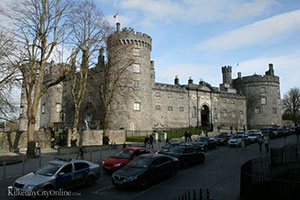
One of the most instantly recognised buildings in Ireland, Kilkenny Castle has been an important site since Strongbow constructed the first castle, probably a wooden structure, in the 12th century.
William the Earl Marshall (Strongbow's son-in-law) built the first stone castle on the site, which was completed in 1213. This was a square-shaped castle with towers at each corner; three of these original four towers survive to this day
Kilkenny's most one sided All-Ireland finals win was in 2008 when they beat Waterford by 23 points with a scoreline of Kilkenny 3-30 to 1-13 Waterford
The last witch in Ireland, reputedly Dame Alice Kyteler, was born in Kilkenny in 1280. Widowed four times, she was accused of poisoning all of her husbands. Although her former home was burned down, you can now dine at Kyteler’s Inn on the site of the house
All-time top scorer in the All-Ireland Senior Hurling Championship is TJ REID with 641 points in 82 games, scoring 30-551.
Kilkenny Castle has soared past some incredible competition to take the title of the most popular paid visitor attraction managed by the Office of Public Works (OPW) in Ireland.
AKA is a voluntary run arts festival that showcases the hard work and talent of independent artists and community groups across Kilkenny county and city.